What to See in Sanabria in 2 Days: A Weekend Itinerary
If you are wondering what to see in Sanabria in two days, spend your first day exploring historic Puebla and Lake Sanabria, then devote day two to San Martín de Castañeda, Laguna de los Peces and one optional activity. This varied, realistic weekend itinerary works best with a car, as public transport between the region’s rural attractions is limited.
- Day 1: Puebla de Sanabria in the morning; Lake Sanabria and Ribadelago in the afternoon.
- Day 2: San Martín de Castañeda and Laguna de los Peces, followed by a hike, a family visit or a relaxed village walk.
Two days in Sanabria: itinerary at a glance #
| Day | Morning | Afternoon | Evening |
|---|---|---|---|
| 1 | Puebla de Sanabria | Lake Sanabria and Ribadelago | Puebla de Sanabria or El Puente |
| 2 | San Martín and Laguna de los Peces | Nature trail, Wolf Centre or village walk | Journey home |
Driving times are approximate. Summer traffic can make parking near the lake more difficult, while snow and ice may restrict access to the highlands in winter. Leave some flexibility and check current conditions before setting out.
Day 1: Puebla de Sanabria and the lake #
Morning in Puebla de Sanabria #
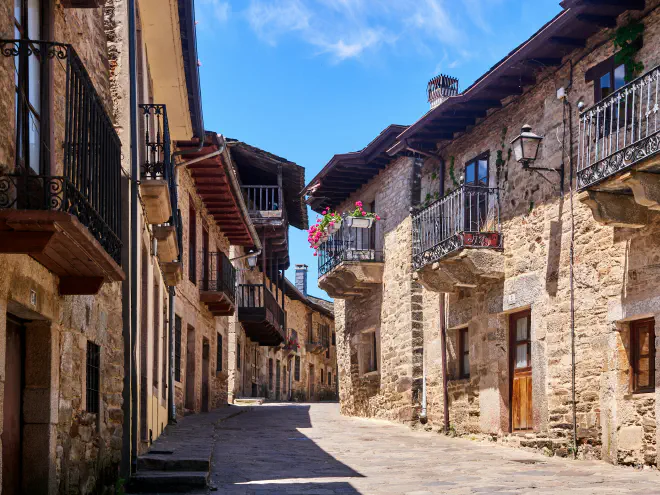
Begin in Puebla de Sanabria, a compact historic town best explored on foot. Allow around three hours for its stone streets and views over the Tera and Castro valleys. Walk uphill to Plaza Mayor, observing the granite and slate houses and their wooden balconies.
The square is home to the Romanesque Church of Santa María del Azogue. Check current opening times if you want to see the interior. A few steps away stands the Castle of the Counts of Benavente, where the town’s defensive history and broad views make a rewarding combination. Continue beside the walls and explore the quieter lanes rather than treating the visit as a checklist.
The old town has slopes, uneven paving and historic entrances. Travellers with reduced mobility should check accessible parking and entrances in advance, although the square, monument exteriors and several viewpoints can still provide an enjoyable, slower visit.
Where to eat and what to try #
Allow time for lunch before driving to the lake. Traditional choices may include habones (large local beans), Sanabria-style cabbage broth, trout, meat, seasonal mushrooms and local pastries. Menus vary with the season, so ask what is available rather than looking for a fixed list. Book ahead during summer, public holidays and major festivities.
Afternoon at Lake Sanabria #
Spend the afternoon at Lake Sanabria, the region’s natural landmark within the Lake Sanabria Natural Park. Choose one beach or accessible shore area rather than attempting to circle the whole lake.
In summer, use authorised bathing areas or book regulated water activities. At other times, a quiet shoreline walk, oak woods and mountain reflections make the visit equally worthwhile. The water can be cold even on warm days: follow local signs, supervise children and do not overestimate your swimming ability.
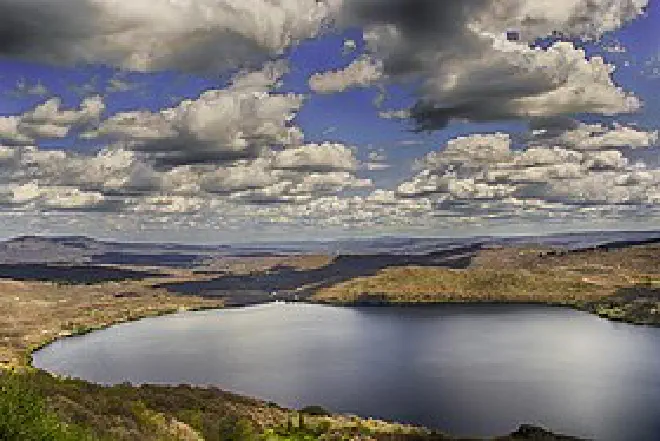
If time allows, continue to Ribadelago. Learn respectfully about the Ribadelago disaster, caused by the Vega de Tera dam failure in 1959, and discover the lake’s legendary side through the story of the sunken city of Valverde de Lucerna.
Use designated parking, take all rubbish away and remain on marked paths. Puebla is atmospheric after dark, while El Puente and villages near the lake provide a convenient base for the next morning.
Day 2: glacial scenery and mountain villages #
San Martín de Castañeda #
Start early in San Martín de Castañeda, set high above the lake. Stop only at safe, authorised viewpoints on the winding approach.
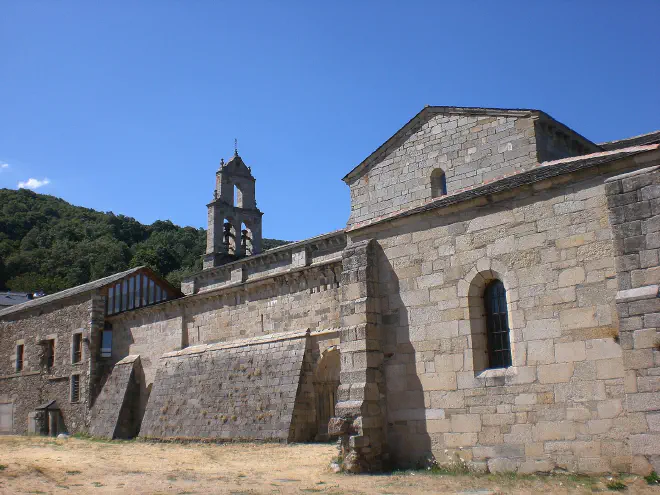
The village’s highlight is the Monastery of San Martín de Castañeda, whose history is closely connected with the lake and the organisation of the surrounding territory. Check current opening times, but remember that the exterior, traditional village and views are worthwhile even when the interior is closed. Allow one to ninety minutes for this stop.
Laguna de los Peces #
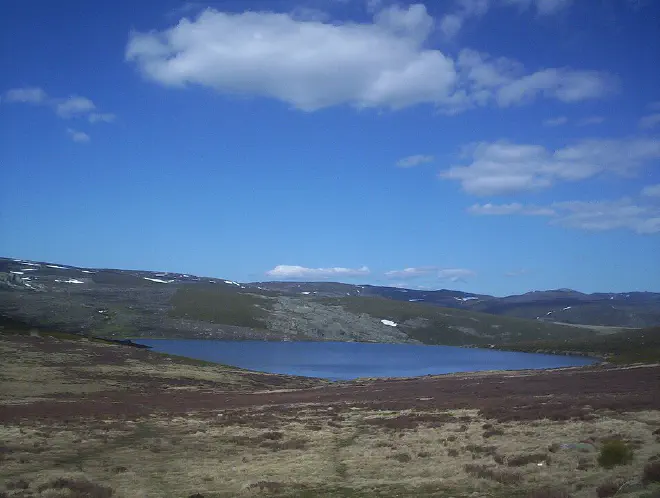
The road climbs from San Martín towards Laguna de los Peces, revealing a high-mountain side of the natural park. Bring water, sun protection and a warm or windproof layer even in mild months.
The lagoon works well as a short scenic visit; a long hike is not essential. Weather and ground conditions can change quickly. With snow, ice, thick fog or adverse weather, check road conditions and official advice. Turn back if access is unsafe—the itinerary never guarantees year-round access.
Choose one afternoon activity #
Choose one option so that the day remains enjoyable and leaves room for lunch and travel.
-
Hike to Cascada de Sotillo. With sufficient time, suitable footwear and walking experience, follow the well-known route to Cascada de Sotillo from Sotillo de Sanabria. Woodland sections can be uneven or wet, so assess fitness, daylight and trail conditions.
-
Family and cultural visit. The Iberian Wolf Centre, near Robledo, explores wolves, their habitat and their historic relationship with rural communities. Check official opening days, times and entry arrangements before travelling.
-
A relaxed village afternoon. Walk through Galende, stop in El Puente or explore another nearby village. This is a good choice with young children, after a busy morning or in unsuitable hiking weather.
Adapt the itinerary #
Visiting Sanabria with children #
Fewer stops usually make a better family trip. Combine Puebla’s castle and streets with a safe lakeside area on day one, then consider the Wolf Centre instead of a demanding trail. Choose walks according to experience, footwear and weather, and supervise children closely beside the water.
If it rains #
Prioritise Puebla’s castle and cultural spaces, the monastery when open, and a leisurely local meal. Stone paving can be slippery. Visit viewpoints only with safe access and useful visibility; in storms or fog, replace the lagoon with a lower-altitude plan.
Sanabria in winter #
Short daylight hours, snow and ice can affect roads and attractions. Base the route around Puebla, accessible lake areas and lower villages. Treat Laguna de los Peces as optional, wear warm clothing and grippy footwear, and keep an alternative plan.
A slower, more accessible option #
Limit day one to accessible parts of Puebla and a suitable lakeside area. On day two, use designated roadside viewpoints and visit villages rather than trails. Ask attractions directly about current step-free access, as facilities can change.
Practical weekend tips #
- Getting there: see the Sanabria transport guide. Rail and road connections reach the region, but local public transport is limited.
- Car: it is the most practical way to follow this route. Without one, stay in Puebla, arrange taxis or tours ahead and reduce the number of stops.
- When to go: spring suits green scenery and waterfalls; summer offers swimming but more visitors; autumn brings woodland colour; winter is peaceful but requires caution.
- What to bring: comfortable shoes, water, sun protection and a warm layer. For hiking, dress for the forecast and do not rely solely on mobile coverage.
- Accommodation: book early for summer, holiday weekends and major festivals.
- Opening times: verify official information before visiting monuments, interpretation centres or activities.
- Nature: follow park guidance, leave no litter, avoid disturbing wildlife and never create shortcuts.
Frequently asked questions #
Are two days enough for Sanabria? #
Two days cover Puebla, the lake and a selection of mountain landscapes and villages. They are not enough for the entire region or several long hikes, so prioritise quality over quantity.
Where should I stay? #
Puebla suits travellers who value heritage and services. El Puente, Galende and lakeside villages can reduce driving. Choose according to whether history, nature or tranquillity matters most.
Can I follow this route without a car? #
Only partly. You can reach the region by public transport and walk around Puebla, but links to the lake, San Martín and highlands are limited. Arrange taxis or tourism services before arrival.
What should families see? #
Puebla’s old town and castle, a safe lakeside area and the Wolf Centre make a balanced combination. Match every trail to the children’s age, experience and the day’s conditions.
What is the best season? #
Summer is best for swimming; spring and autumn for walking and scenery; winter for a quiet break when access is safe. There is no single best season for every visitor.
What can I do when it rains? #
Explore Puebla’s heritage, check whether the monastery is open, enjoy local food and visit accessible villages. Replace high ground and trails with cultural activities and short drives.
How many days are ideal? #
Three or four days allow time for a complete hike, Alta Sanabria villages and slower visits. A week makes it possible to explore without concentrating too much driving into each day.
A weekend that invites you back #
This guide to what to see in Sanabria in two days balances heritage, water, mountains and rural life without turning the weekend into a race. Continue planning with the area’s essential places, its most appealing villages and practical advice on how to reach Sanabria. Leave some room for spontaneity: a quiet viewpoint or stone lane may become the highlight of the trip.